
Criollo Porcelana Cacao
“If you want to fly, you have to give up the things that weigh you down.” -Tony Morisson
Origins
Criollo Porcelana cacao is considered one of the finest and rarest varieties of cacao in the world, prized by chocolate makers and connoisseurs for its unique flavor profile and limited availability.
The name “Porcelana”, or porcelain, refers to the color of its seeds, which are totally white or white with slightly pink. Its origins are south of the Lake of Maracaibo in Venezuela; It likely reached the Sierra Nevada de Santa Marta through indigenous exchange of past millenniums.
Unique Characteristics
Flavor Profile: Criollo Porcelana beans are known for their exceptionally complex and nuanced flavor profile. They often exhibit notes of floral, fruity, and nutty flavors, with hints of caramel and spices. The taste is often described as mild, with low bitterness and acidity, allowing the subtle flavors to shine through.
Rareness: Criollo Porcelana cacao trees are rare and fragile, making up only a small percentage of the world’s cacao production. They are susceptible to diseases and pests, resulting in lower yields compared to other cacao varieties. This rarity contributes to their exclusivity and high value.
Genetic Purity: Criollo cacao is one of the three main varieties of Theobroma cacao, the others being Forastero and Trinitario. Criollo Porcelana is a sub-variety known for its genetic purity, meaning it has not been extensively crossbred with other varieties. This purity is believed to contribute to its unique flavor characteristics.
Growing Conditions: Criollo cacao trees thrive in specific environmental conditions, typically in regions with rich, well-drained soil, consistent rainfall, and a stable climate. They are often found in countries with tropical climates such as Venezuela, Peru, and Madagascar.
Processing Methods: The way Criollo Porcelana beans are harvested and processed can also influence their quality. Careful fermentation and drying processes are essential to develop their flavor profile while preserving their delicate characteristics.
Chocolate Quality: Criollo Porcelana beans are often used by premium chocolate makers to produce high-quality chocolate bars and confections. The beans’ unique flavor profile allows chocolatiers to create exquisite chocolates with distinctive taste experiences.
The Land
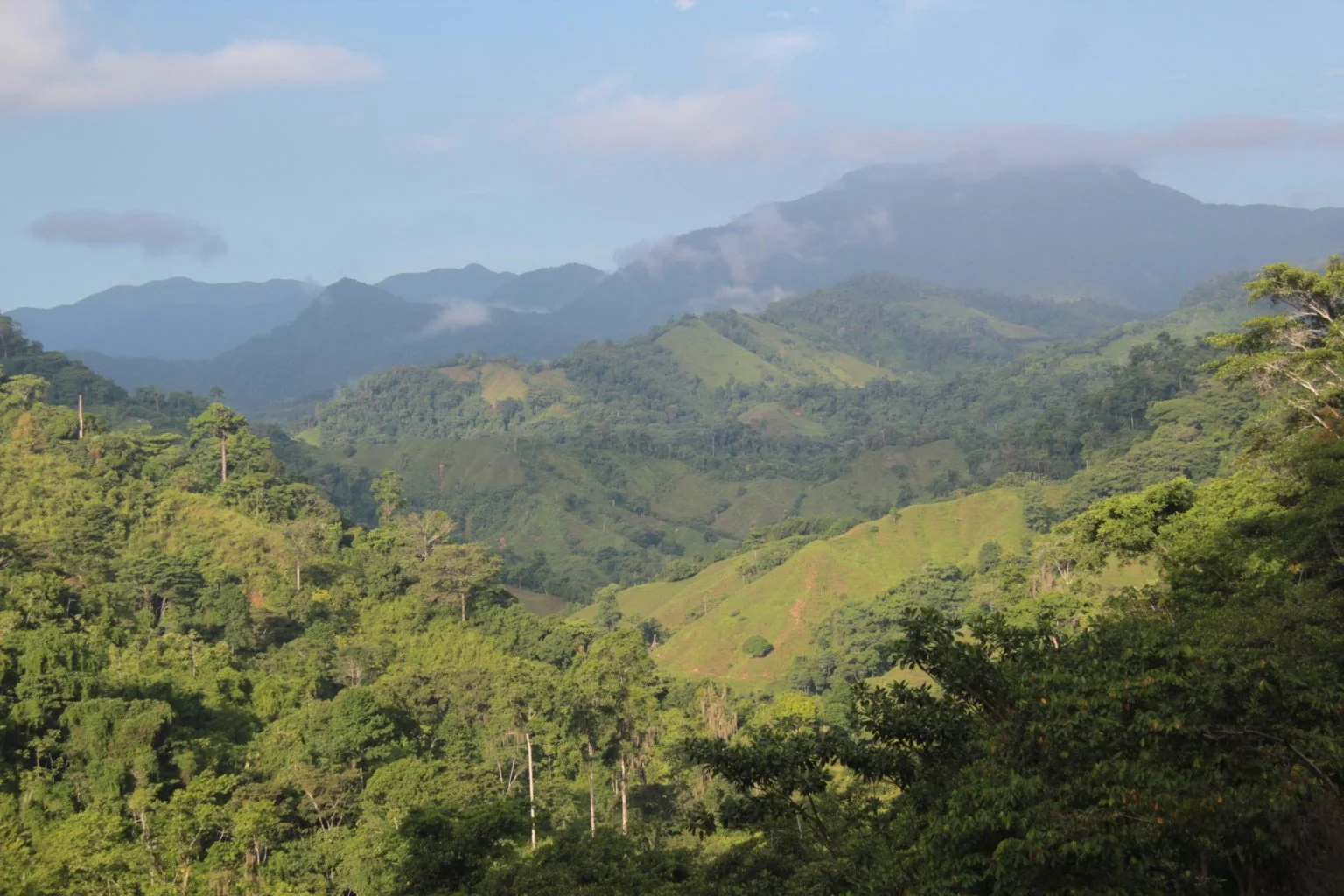
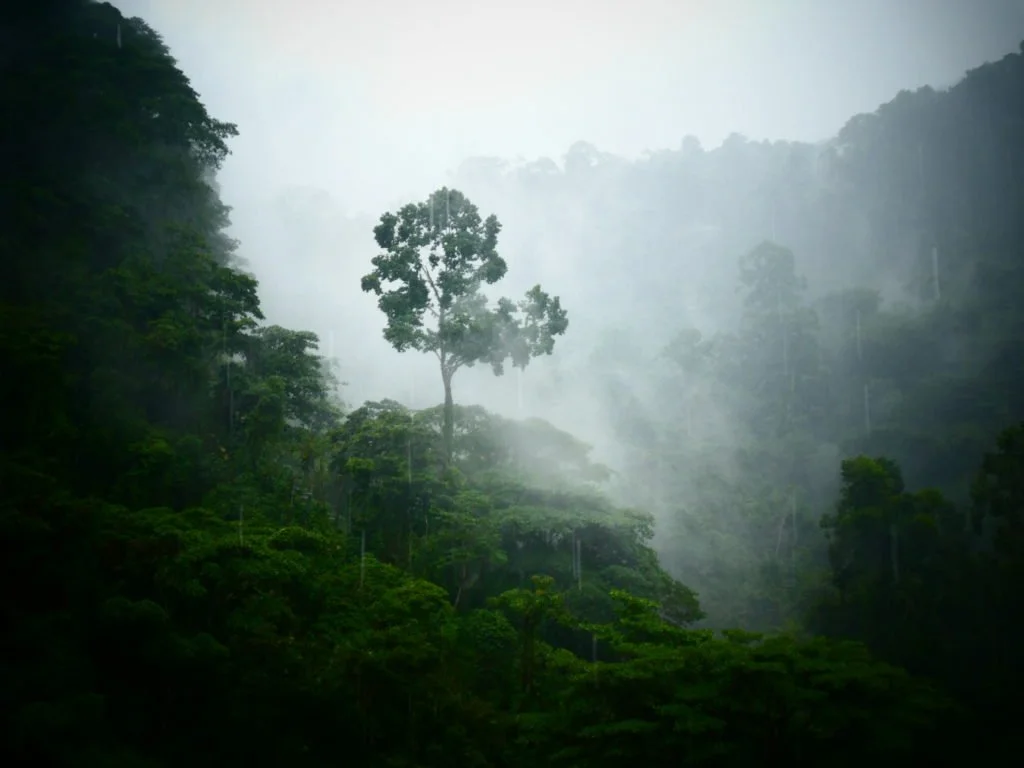
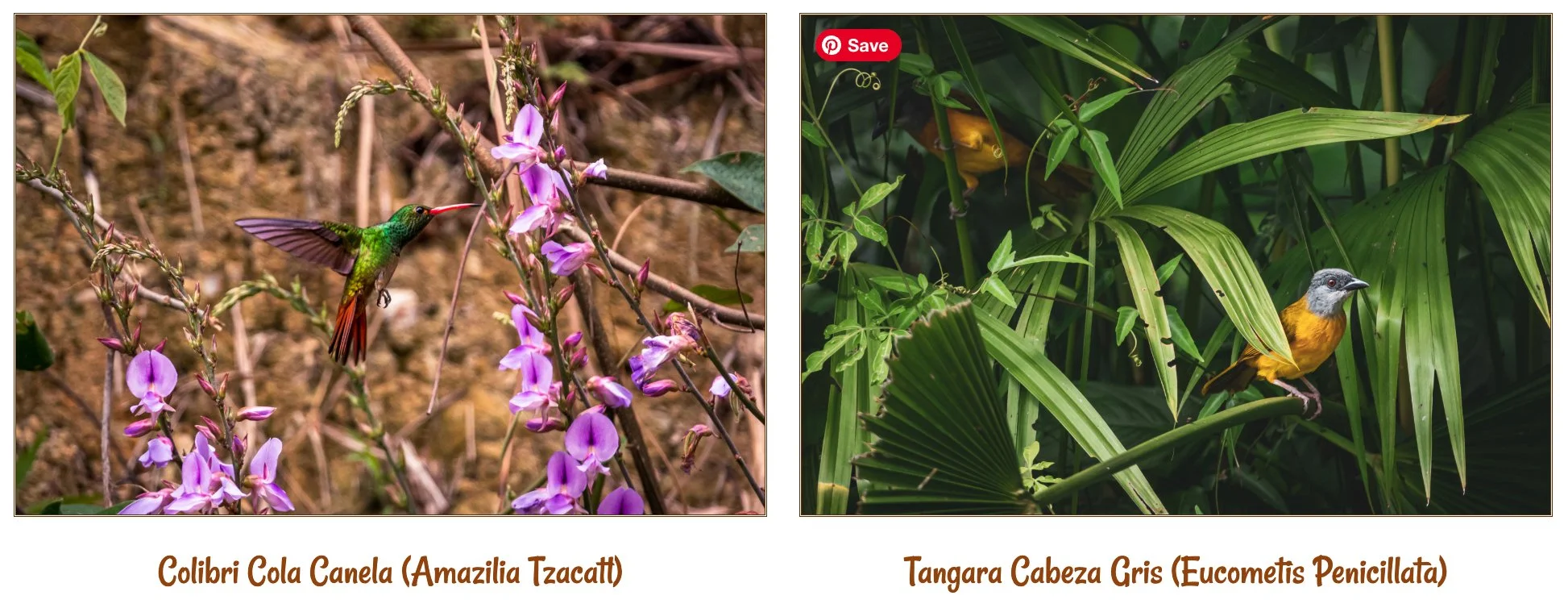
Along with forty registered varieties of hummingbirds, this land is home to an assortment of crops complement the landscape, providing sustenance in this fertile valley, sustained using Permaculture principles and resulting in the best natural and auto sustainable produce.
The water wealth bathes the soil though different creeks and waterfalls that end up at the Buritaca River, main water way covering this piece of Pachamama, ancient dwelling of our elder brothers the Tayrona people, founders of the tribes (Kogui, Arhuaco, Wiwa and Kankuamo) presently inhabiting this awesome Natural Reserve.
The Process
These precious, fragile beans are processed with the utmost care.
The pods are carefully hand cut and collected from the trees with scissors at the perfect stage of ripeness. Then they are cracked open into wooden fermentation boxes and covered with plantain leaves. A constant eye on the pile allows for a perfectly fermented bean.
The sugars turn into alcohol warming the pile up to 124 Farenheit completing the first stage of fermentation; this could take from 24 to 32 hours depending on weather conditions. They then turn the pile and the micro activity starts the aerobic process, again warming the pile. It is now oxidizing, like that of tea or tobacco, in which acidic acid does its magic of creating not only the intricacies of the chocolate flavor but also its reddish/brownish color; this takes around 24 hours. They turn the pile for the last time and let it rest, while it lowers its temperature slowly for another 24 hours. In the morning they test the fermentation stage by cutting beans sideways and obtaining a 100% fermentation rate, meaning that all the beans present a perfect "ariñonado" kidney like shape inside. They can now extend it on a pile roughly 10cm high to slowly dry naturally with the Sun.
Experience shows that the drying is the most delicate stage of the beans. The first few days they only "show them" to the Sun as they have the most humidity and they do not want to overdry them. If we put straight in the Sun, they will "sear" on the outside keeping the acidic acid in and ruining the fine flavor of this special Cacao Porcelana. These few days are a slow process of moving the pile every 20 minutes without presenting it fully to the Sun. Upon completion of the first stage of drying, they put them to dry on a clean surface allowing for air flow through the top and bottom of the pile. They do not have them in the Sun from 11am to 1pm while the Sun is most intense.
The stewards of this Criollo Porcelana Cacao have learned that unless you are drying cacao within a controlled environment you cannot specify how long the process takes. What they do promise is that all this Cacao is dried for however long it takes to get it as close to 7% humidity as possible.
Criollo Porcelana Guide & Flavor Profile
Terroir
ORIGIN COUNTRY COLOMBIA
REGION SIERRA NEVADA DE SANTA MARTA
FARM SINGLE CACAO FARM AND NATURAL RESERVE
BEANS VARIETY CRIOLLO
STEWARDS JAVIER AND LIZZ
Effects Experienced
rich | deep | grounding
Don’t let the delicate nature of this variety fool you! The exceptionally high cacao butter content (up to 57%) brings a “be here now” sensation of coming home. The creamy, frothy texture truly does distinguish it as the “champagne of cacao". This cup’s richness is comfort for the body and soul.
Tasting Notes & Aromas
DRY AROMA Fruity, raisins, guava
DRY TASTE Peanut, almond
PREPARED AROMA almond cream
PREPARED TASTE Nut, soursop, cherry, panela, caramel
REMARKS: This delicate cacao doesn’t lean toward sour, fermented, bitter, or roasted. Instead the gentle process invites the taster to enjoy the unique nuttiness while tuning into the various fruity notes infused in this cacao from its proximity to the abundant fruit trees growing amidst this plantation. *Handmade the traditional way, without the use of modern machines, this cacao has the inherent chewiness of some remaining cacao nib fragments.